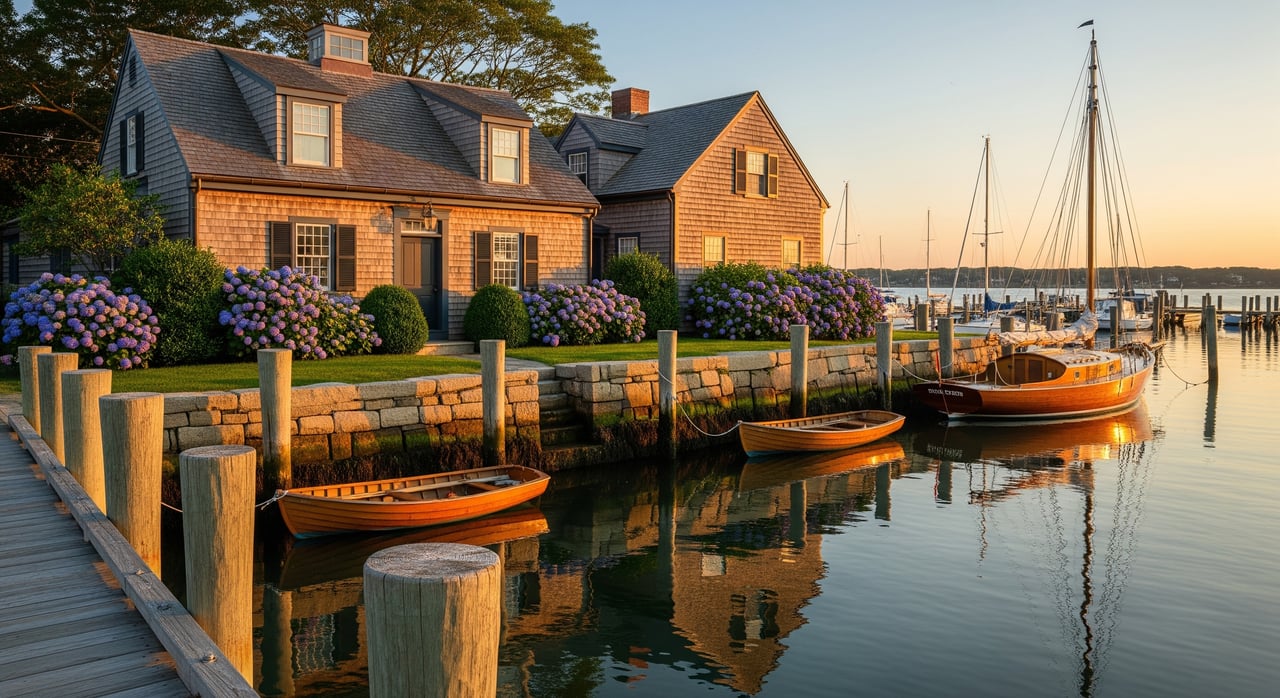
If you picture mornings that start with a short walk to coffee, sailboats bobbing in a sheltered harbor, and neighbors waving as they pass on quiet village streets, you’re picturing Southport’s Historic Harbor District. It’s a compact, waterfront village inside Fairfield that blends maritime history with easy, everyday routines. If you’re weighing Fairfield County towns, this guide shows you how daily life actually feels here, what kinds of homes line the streets, and the practical details to know before you buy. Let’s dive in.
Southport at a glance
Southport is a waterfront village within Fairfield on Long Island Sound. The heart of the district wraps around a small harbor and a few walkable commercial streets. It is village-scaled and known for its 18th and 19th century architecture.
The core is listed on the National Register of Historic Places. You’ll see Colonial and Federal homes, Greek Revival and Victorian-era dwellings, and maritime-influenced buildings from the late 1800s and early 1900s. Many houses have been updated over time, so small cottages sit beside larger waterfront homes and renovated properties.
Historic-district review helps keep the village’s look cohesive. In designated areas, exterior changes typically go through the town’s Historic District Commission. That supports the classic streetscape you notice on your first walk around the harbor.
What daily life feels like
Life here centers on the harbor and the few blocks around it. Short blocks and sidewalks make it natural to walk instead of drive. You can grab coffee, browse a boutique, or meet a friend on a bench with a harbor view without getting in the car.
Walkable village core
The streets around the harbor invite slow, everyday routines. You’ll see people walking dogs, pushing strollers, and chatting at corners. Public parking exists, but street spaces and small lots can fill during busy weekends or peak summer hours, so most people park once and stroll.
Shops and dining
You’ll find mostly small, independent businesses near the village center. Expect cafes and coffee shops, a few casual spots that highlight seafood, and boutiques for clothing and home goods. Professional services like real estate and design studios mix in. For full-service grocery runs or pharmacies, you’ll drive a short distance into the broader Fairfield area.
Waterfront rhythms
The harbor sets the tone. In warmer months, you’ll see seasonal boating and sailing, with moorings and slips serving local boaters. Pocket parks, simple promenades, and benches become social hubs for a slow coffee or sunset view. Low-key events like art walks or small markets pop up seasonally, shaping a village calendar that ebbs and flows throughout the year.
Getting around
Southport has its own Metro-North New Haven Line station that connects you along the shoreline to regional employment centers, New Haven, and New York City. Many residents choose the village because rail is a practical commute option.
If you drive, I‑95 runs along the shoreline and links to regional roads that carry you inland. Commute times vary with traffic and schedule. Many people mix driving and rail depending on the day.
Housing and who it fits
Southport’s housing reflects its layered history. You’ll find a range of options, all within a low-rise, village character.
Historic charm homes
Closer to the core, many single-family homes date to the 18th and 19th centuries. Lots are often smaller near the village center, which helps create that close-knit streetscape. Buyers drawn to character and craftsmanship tend to love these houses and are usually ready for the maintenance that older properties sometimes require.
Waterfront living
Along the harbor and Sound, you’ll see larger homes or lots with water access. These properties are higher value and may come with specific coastal regulations. Buyers prioritize view corridors, dock or mooring access, and long-term resilience planning.
Renovated and newer options
There is also 20th century infill and renovated homes, plus selective newer construction where parcels allowed it. These can appeal if you want lower maintenance and modern systems without giving up a harbor-life address.
What buyers prioritize
- Walkable, village-scaled living near shops, cafes, and the waterfront.
- Convenient rail access for regional commuting.
- A coastal retreat that feels quiet off-season yet vibrant in summer.
- Historic character, with a realistic plan for upkeep or sensitive upgrades.
- Recently renovated homes that deliver comfort with classic surroundings.
Market character and trade-offs
Proximity to the harbor and village amenities typically carries a premium, and competition reflects the district’s limited scale. Buyers often weigh a few practical trade-offs.
- Smaller yards and tighter parking are common near the core in exchange for walkability and charm.
- Waterfront homes can include added maintenance, insurance, and permitting considerations.
- Older homes may need system updates like HVAC, electrical, or insulation over time. Many buyers budget for near-term improvements when they make an offer.
Practical things to know
Southport rewards buyers who plan ahead. A little prep helps you move from offer to closing smoothly, especially in a historic, coastal setting.
Historic-district approvals
If you are buying in the designated historic district, many exterior changes require review by the town’s Historic District Commission. This can affect paint colors, siding, windows, and larger exterior alterations. Interior changes typically are not regulated by historic-district rules. Plan for added design work and permitting time if you expect exterior renovations.
Flood and coastal factors
Some shoreline and harbor-area properties sit within FEMA flood zones. Exposure varies block by block, so check flood maps and elevation certificates early. Mortgage lenders often require flood insurance for homes in certain zones. It is also smart to consider elevation, bulkhead or seawall condition, and long-term coastal resilience guidance available at the state level.
If a property includes a dock, bulkhead, or slip, factor in inspection and ongoing maintenance. Ownership and permitting can involve state tidal-permit processes, and there may be homeowners’ association rules if access is shared.
Utilities and stormwater
Whether a property is on municipal sewer or a private septic system can vary by parcel. If it is septic, confirm age, capacity, and service records. For older homes, evaluate roof drainage and grading to handle seasonal storms. These items influence comfort, insurance, and long-term costs.
Parking and visitors
Village parking is finite. If you have multiple vehicles or host often, off-street parking is a real asset. Many residents find that walkability reduces day-to-day car use, especially for single-car households or those using rail.
Seasons and pace
Summer brings more boat traffic and visitors, along with livelier sidewalks and shore-side dining. Off-season, the village settles into a quieter, residential rhythm. In winter, budget time and resources for snow and storm prep if your home is close to the water.
A day in the life
Start with a five-minute stroll to coffee and a harbor view. On weekends, browse a boutique or meet a friend on a bench facing the moorings. In summer, grab a simple lunch near the water and watch boats glide out. Evenings are for sunset walks along short promenades that frame the harbor light.
During the week, the nearby station makes early trains practical. On return, you are back on village streets in minutes, picking up dinner or heading home to sit on a porch that looks out to leafy lanes or the harbor.
How a local advisor helps
In a historic, coastal village, details matter. You want someone who can flag practical items early, from flood-zone implications to the scope of historic-district review. You also want clear guidance on pricing and value for location.
With a construction-informed eye, you can assess systems in older homes, plan sensible upgrades, and estimate ROI for improvements like insulation, HVAC updates, or exterior restoration. Coordinating vendors, sequencing repairs before listing, and planning for approvals all help you avoid surprises and protect timelines.
If you are weighing a waterfront purchase, it pays to evaluate bulkheads or seawalls, dock condition, and mooring options. If you prefer a renovated home, look for permits and documentation that speak to workmanship and compliance. The right strategy aligns the charm you want with the everyday function you need.
Is Southport right for you?
Choose Southport if you value walkability, water views, and a village cadence that changes with the seasons. Expect smaller lots in the core and a premium for proximity to the harbor. Plan ahead for historic review if you like to renovate, and be proactive about coastal due diligence.
If that balance sounds right, you will likely love daily life here. When the harbor is part of your routine, even simple errands feel special.
Ready to explore homes or discuss a sale in Southport’s Historic Harbor District. Connect with a local, hands-on advisor who pairs neighborhood knowledge with practical property insight. Reach out to Robbie Salvatore to start your plan today.
FAQs
What is Southport’s Historic Harbor District?
- It is the compact waterfront village within Fairfield, recognized on the National Register of Historic Places and defined by 18th and 19th century architecture around a small harbor.
How walkable is the village area of Southport?
- The core has short blocks and sidewalks, so you can walk to cafes, small shops, and harbor paths. Most people park once and stroll, especially on weekends.
Can I commute to New York City from Southport?
- Yes. Southport has a Metro-North New Haven Line station that links you along the shoreline corridor, making rail a practical option for regional commutes.
Are exterior renovations restricted on historic homes in Southport?
- In designated historic areas, many exterior changes require review by the town’s Historic District Commission. Interior changes are typically not regulated by district rules.
Do waterfront homes near Southport Harbor require flood insurance?
- Some do. It depends on the specific FEMA flood zone and elevation. Lenders often require flood insurance in certain zones, so verify maps and elevation certificates early.
Is parking difficult in the Southport village center?
- Street parking and small public lots exist, but spaces can be limited during peak-season and weekend periods. Off-street parking is valuable if you own multiple cars.
What types of homes are common around the harbor?
- You will find historic single-family homes and cottages, larger waterfront properties, mid-century and later infill, and some renovated or newer homes, all within a low-rise village setting.