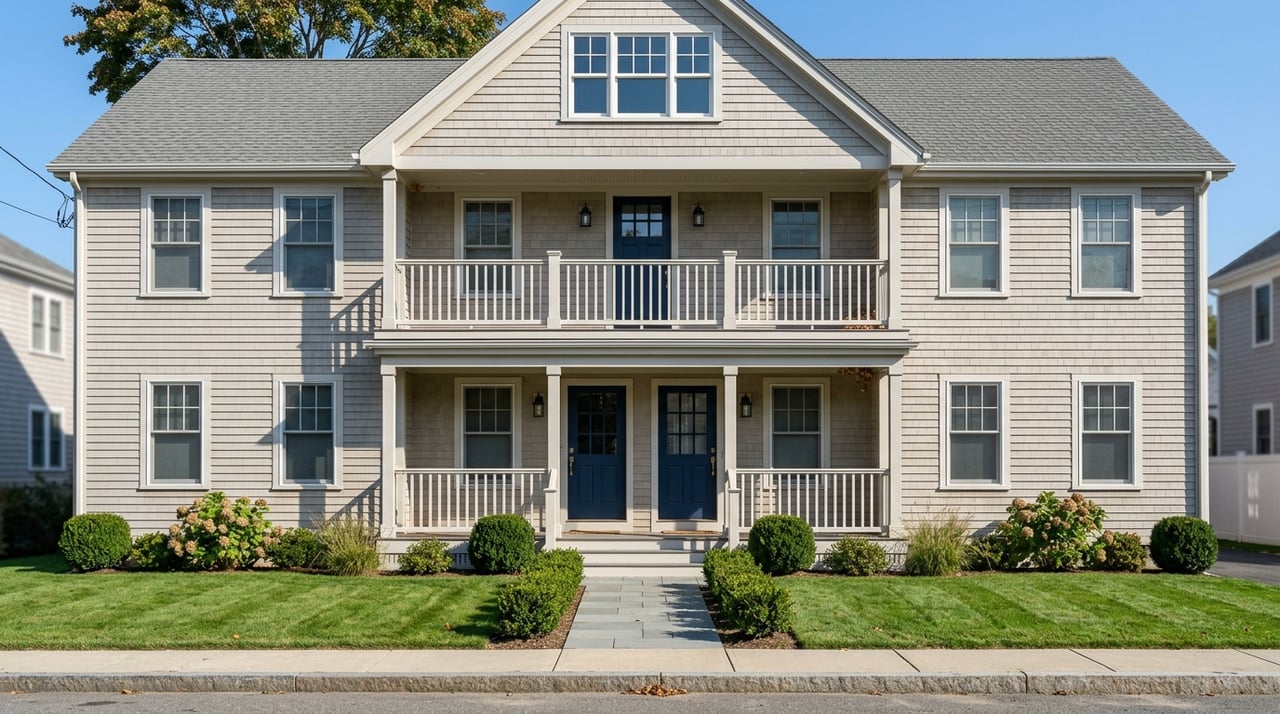
Wondering if a 2 to 4 unit property in Stamford could help you lower your housing costs while building long-term equity? If you are thinking about house hacking in 06902, you are looking in a part of Stamford where renting is already a major part of the local housing market. The key is knowing how to evaluate the numbers, the property setup, and the city rules before you make an offer. Let’s dive in.
Why 06902 Fits House Hacking
Stamford ZIP code 06902 has several traits that make it worth a close look for a house-hacking buyer. According to ACS 2024 5-year data, about 95% of housing units are occupied, 58% are renter occupied, and 69% are in multi-unit structures. That points to a market where tenants are already a big part of the housing mix.
That matters because house hacking works best where renting is normal and demand is steady. In 06902, you are not trying to force a rental strategy into an area built mostly around detached single-family homes. You are buying into a submarket that already supports multifamily living.
Citywide Stamford data adds another important layer. The owner-occupied housing rate is 48.8%, and the median gross rent is $2,276. While ownership costs in Stamford can be high, that rent level suggests a well-positioned unit may help offset a meaningful share of your monthly payment.
What House Hacking Means
House hacking usually means buying a small multifamily property, living in one unit, and renting the others. In a 2-unit property, you live in one apartment and rent the second. In a 3- or 4-unit property, you live in one and collect rent from the remaining units.
The appeal is simple. Instead of paying your full housing cost out of pocket, you use rental income to reduce your monthly burden while still owning the property you live in.
In Stamford, that strategy can be especially attractive if you want to stay close to downtown, commuting routes, or other established residential areas without taking on the full cost of a single-unit home by yourself. But it only works well when the building is legally configured, financially realistic, and manageable for your lifestyle.
Start With the Right Deal Math
A common mistake is focusing only on the listing price and projected rent. For a Stamford house hack, you want to look at the full picture before deciding whether a property actually works.
Here are the first screening questions to ask:
- Is the building legally a 2 to 4 unit property?
- Can the non-owner units realistically rent at local Stamford market levels?
- Is there enough parking for the number of households?
- Will your loan program count enough of the rent to help you qualify?
- Are there permit, license, or occupancy issues that could delay closing or renovations?
A strong house-hack deal usually gives you some breathing room. If the plan only works when every unit rents immediately at the highest possible number, the margin may be too thin.
Financing Options for 2 to 4 Units
For many buyers, financing is what makes house hacking possible. The good news is that several owner-occupied loan options can work for 2 to 4 unit properties.
FHA Loans
FHA loans are available on 1 to 4 unit owner-occupied properties. HUD says the down payment can be as low as 3.5%, which makes FHA a common starting point for buyers who want lower cash entry.
There is one important detail for 3- and 4-unit purchases. HUD requires a self-sufficiency test, which means the monthly principal, interest, taxes, and insurance cannot exceed 100% of the net self-sufficiency rental income. In plain terms, the building has to show enough rental support to carry itself under FHA rules.
Because FHA loan limits are set by county and updated each year, you should confirm the current Fairfield County limit with your lender before you start writing offers.
Conventional Low-Down-Payment Loans
Conventional options can also work well for qualified buyers. Fannie Mae HomeReady allows 2 to 4 unit principal residences and offers a 3% down path for qualifying borrowers.
Fannie Mae also allows rental income from a 2 to 4 unit primary residence to be used for qualification, subject to normal documentation rules. That can be a major help when you are trying to stretch into a small multifamily purchase without overextending.
Freddie Mac Home Possible is another option. It also allows 2 to 4 unit primary residences, advertises 3% down, and says rental income from units you do not occupy may be eligible. One practical point to remember is that manually underwritten loans can require reserves.
How to Choose the Best Fit
In Stamford, the best loan option often comes down to four things:
- Your credit profile
- Your available cash
- Mortgage insurance cost
- How much projected rent your lender will count
FHA may be the most flexible on down payment. HomeReady or Home Possible may be attractive if you are well qualified and want to compare long-term monthly cost. The right answer depends on your file, not just the headline rate.
Stamford Rules You Cannot Ignore
When you buy a house-hack property, you are not just buying a home. You are buying into a set of local rules that affect use, income, and future flexibility.
Confirm the Legal Unit Count
In Stamford, zoning regulations govern use, density, setbacks, parking, open space, and more. The city also notes that a change of use or a basement conversion for habitable space can require permit review and must comply with Health Department rules.
That means you should be very careful with listings that hint at an extra apartment, finished basement, or possible future unit. If the unit count is not already legal and approved, you may be taking on more risk than you think.
Stamford also states that if a property is a legally non-conforming two-family house in a single-family district, you cannot add a third unit. That is a major reason many buyers are better off purchasing a property where the legal unit count already matches the intended use.
Know Licensing and Occupancy Requirements
Stamford says owners or operators of Multiple Family Dwellings must obtain an annual license from the Department of Health. The city also says that buildings with 4 or more apartments that are 15 years old or older need a Certificate of Apartment Occupancy each time an apartment is vacated.
If you are considering a 4-unit property, this is worth reviewing early. Licensing and occupancy requirements can affect renovation timing, turnover planning, and how quickly you can place a new tenant.
Understand Parking Before You Buy
Parking can quietly make or break a Stamford house hack. The city says a 2-family house counts as 2 separate households, and the general maximum is 3 permits per household. Renters can also qualify as residents of the household.
That is helpful, but it does not solve every parking problem. If the property has limited off-street parking or a tight street-parking setup, tenant satisfaction and leasing speed may suffer. A building that looks great on paper can feel much less attractive in real life if parking is a daily headache.
Security Deposit Rules Matter Too
Once you become an owner-occupant landlord, you also need to follow Connecticut deposit rules. State law caps residential security deposits at two months’ rent, or one month’s rent if the tenant is 62 or older.
Deposits must be kept in a Connecticut escrow account. The 2026 deposit index is 0.49%, which affects the interest landlords owe on security deposits.
This is not the flashiest part of house hacking, but it matters. Good systems and clean handling of deposits are part of running the property the right way from day one.
Features That Improve a Stamford House Hack
Not every 2 to 4 unit building performs the same way. In 06902, certain features tend to matter more because the area already functions as a rental-heavy market.
Look closely at:
- Parking setup
- Privacy between units
- Overall building condition
- Separate entrances where possible
- Functional layouts
- Mechanical systems and utility configuration
- Whether the legal use matches the current setup
A property with clean layouts, decent privacy, and realistic parking often rents more smoothly than one with awkward circulation or shared living friction. As a buyer, you should think like both an owner and a future tenant.
Be Careful With Basement Value-Add Plans
Many buyers see basement space and assume future rental income. Stamford specifically says basement conversion for habitable use depends on multiple factors, and requirements vary by zoning rules and health standards.
In other words, a basement that looks rentable during a showing may still need significant review before it can become legal living space. If your plan depends on creating a new unit in the basement, that plan may be much harder than it appears.
This is where practical property knowledge matters. The safer value-add play is often a building where the legal unit count already exists and the upside comes from improving condition, layout, or tenant appeal rather than trying to create a brand-new apartment.
How to Decide if the Deal Works
The best Stamford house hacks usually share the same basic profile. The rents help, but they are not doing all the heavy lifting.
You should still be able to afford the home if rents come in a little below target, a unit sits vacant for a short stretch, or a repair comes up early. Rental income can improve your position, but your plan should not depend on perfection.
A practical way to frame the decision is this: if projected rent, parking realities, and compliance costs still leave room for reserves and personal affordability, the deal may be worth pursuing. If every assumption has to go right, keep looking.
Why Local Guidance Helps
A 2 to 4 unit purchase asks you to evaluate more moving parts than a standard home purchase. You are looking at financing, zoning, condition, rental usability, and city compliance all at the same time.
That is where local Stamford knowledge can save you time and money. The right guidance can help you spot when a property is truly a strong house-hack candidate and when it only looks good in the listing remarks.
If you are thinking about buying a 2 to 4 unit in Stamford, working with someone who understands multifamily layouts, permit red flags, and Fairfield County micro-markets can make the process much more manageable. If you want help evaluating properties, financing fit, or value-add potential, connect with Robbie Salvatore.
FAQs
Is 06902 a good area for house hacking in Stamford?
- Yes. ACS data for 06902 shows high occupancy, a renter-heavy population, and a large share of multi-unit housing, which supports the basic case for house hacking.
Can you buy a 2 to 4 unit property with FHA in Stamford?
- Yes. FHA loans are available for 1 to 4 unit owner-occupied properties, with down payments as low as 3.5%, subject to qualification and current loan limits.
Do FHA rules treat Stamford 3- and 4-unit properties differently?
- Yes. For FHA 3- and 4-unit purchases, HUD applies a self-sufficiency test, which means the property’s monthly housing cost cannot exceed the allowed net rental income calculation.
Can rental income help you qualify for a Stamford house hack?
- Yes. Fannie Mae and Freddie Mac both allow eligible rental income from units you do not occupy in a 2 to 4 unit primary residence, subject to program rules and documentation.
Should you rely on a basement conversion in Stamford 06902?
- Not without careful review. Stamford says habitable basement conversions depend on zoning, permit review, and health standards, so a basement is not automatically legal rental space.
What Stamford parking issue should house-hack buyers check first?
- Check whether the property has enough practical parking for each household. Even where permits are available, limited parking can affect tenant satisfaction and how easily a unit rents.
Are there local landlord rules for Stamford multifamily owners?
- Yes. Stamford requires annual licensing for Multiple Family Dwellings, and some 4-unit buildings may also need a Certificate of Apartment Occupancy when a unit is vacated.
What security deposit rules apply to Stamford rental units?
- Connecticut caps most residential security deposits at two months’ rent, or one month’s rent if the tenant is 62 or older, and deposits must be held in a Connecticut escrow account.