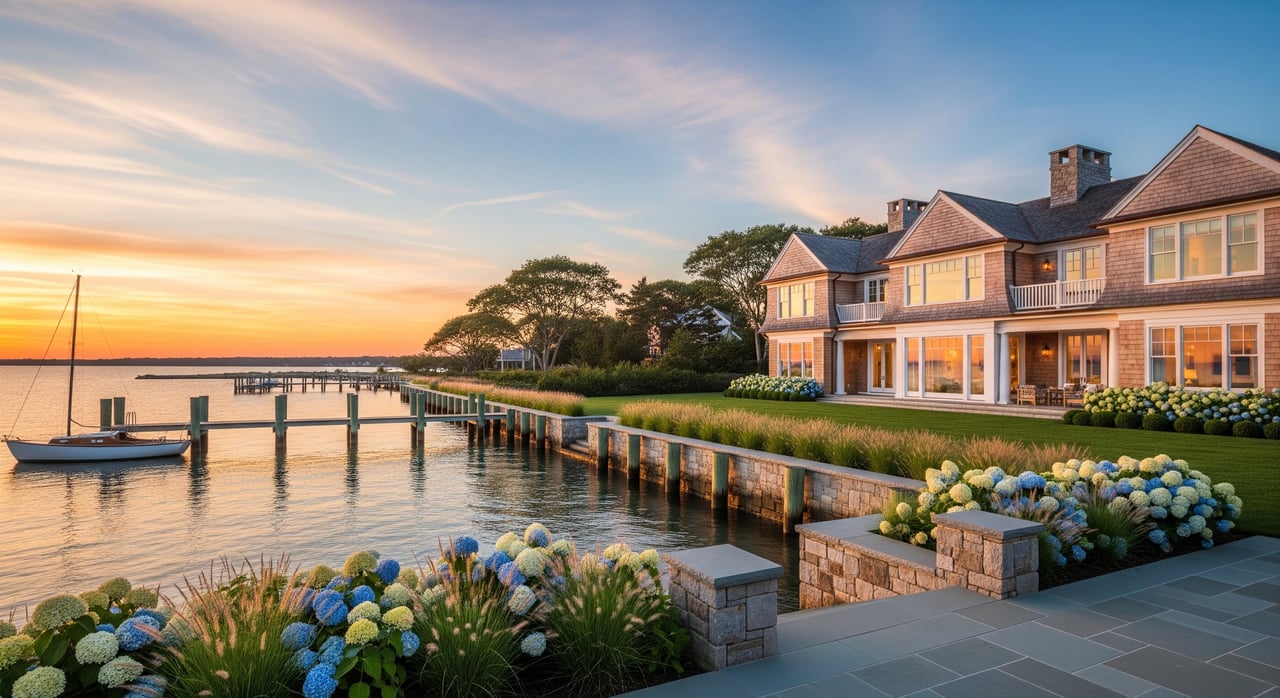
Salt air, sunrise paddles, and easy access to beaches and marinas can make every week feel a little lighter. If you’re weighing a move to Greenwich for that Sound-side lifestyle, you probably also care about commute options, seasonal logistics, and what ownership near the water really involves. In this guide, you’ll learn how waterfront neighborhoods differ, what to expect with beaches and boating, and the practical costs and risks that come with living by Long Island Sound. Let’s dive in.
Why Greenwich waterfront appeals
Greenwich sits on Long Island Sound at Connecticut’s southwest corner, which puts you close to village centers, marinas, and commuter rail while still enjoying protected coves and beaches. You get a mix of quiet streets, scenic harbors, and access to retail and dining downtown. The shoreline is varied, from enclosed harbors to barrier-spit parkland, so you can choose a setting that fits your daily routine.
- Outdoor rhythm: boating, sailing, paddleboarding, and beach days are common from late spring through early fall.
- Everyday access: village shops, restaurants, and services in Old Greenwich, Riverside, Cos Cob, and central Greenwich are minutes from most shore neighborhoods.
- Lifestyle tradeoffs: living by the water often means more property upkeep and seasonal planning, but the payoff is year-round scenery and quick access to the Sound.
Where to live by the Sound
Different shore neighborhoods offer different settings and housing stock. Here’s a quick overview to help you orient your search.
Old Greenwich
Old Greenwich blends a village feel with beach access at Greenwich Point, also known as Tod’s Point. You’ll find older cottages, renovated homes, and some newer builds, with pockets that are walkable to cafes and the rail station. Many streets lead toward beaches or small coves, which adds to the coastal feel.
Riverside
Riverside offers a residential setting with proximity to the river and coves, along with its own Metro-North station. Housing ranges from mid-century homes to expanded and new construction. Boaters appreciate the local marinas and mooring options nearby.
Central Greenwich and Belle Haven
Close to downtown, this area includes estate-oriented enclaves such as Belle Haven and Indian Harbor, along with streets near Greenwich Harbor. You’ll see larger parcels and historic properties in some pockets, plus quick access to dining, retail, and cultural venues.
Cos Cob and Byram
Cos Cob circles the harbor with a mix of single-family homes close to services and parks. Byram sits near the New York border with residential streets and access to local amenities. Both areas offer convenient routes to I-95 and nearby stations.
Beaches, parks, and marinas
Greenwich offers a range of waterfront amenities. Policies and operations can change by season, so it’s smart to confirm details with the town before you go.
Greenwich Point (Tod’s Point)
This is the town’s signature coastal park and beach. Residents value the walking paths, picnic areas, and protected swimming beaches. Parking, passes, and seasonal rules are managed by the town, and non-resident access can be limited.
Greenwich Harbor and yacht clubs
Greenwich Harbor anchors a cluster of marinas, yacht clubs, and waterfront dining. You’ll also find slips and moorings in nearby coves. Rules for guest slips, seasonal moorings, and waitlists vary by marina or club.
Permits and access basics
- Plan for seasonal passes and parking requirements at beaches and parks.
- Moorings are typically administered by the town or private operators, and many areas have waitlists.
- Some neighborhoods include private beach associations that limit access to members or residents.
Daily life near the water
Living by the Sound shapes your year in subtle ways. You’ll discover go-to routines and a few rhythms that come with coastal weather and maintenance.
- Recreation: sailing, kayaking, paddleboarding, and fishing are popular in the warmer months. Many residents enjoy year-round walks along the shoreline.
- Seasonal shifts: spring to early fall is active on the water, while winter is quieter and focuses more on upkeep and planning for the next season.
- Village convenience: Old Greenwich, Riverside, and downtown Greenwich offer groceries, cafes, and services close to most shore neighborhoods.
Housing options and what to expect
You’ll see a range of home types along the waterfront and nearby streets. Understanding the tradeoffs helps you budget and plan.
Direct waterfront single-family
Direct-waterfront homes often come with bulkheads, docks, or tidal access, which adds lifestyle benefits and ongoing responsibilities. Maintenance for shore structures is a key consideration. These properties usually command a premium over similar inland homes.
Water view and near-water homes
Just off the shoreline, homes with water views or quick access to beaches and marinas can offer a strong balance of lifestyle and cost. Many buyers find these streets deliver the coastal feel without all the same infrastructure obligations.
Condos and co-ops
Condominiums cluster near village centers and some waterfront pockets. Direct-waterfront condo options are more limited than single-family inventory, but you can still find units with views and convenient access to the shore. For buyers who prioritize a lower-maintenance lifestyle, this can be a fit.
Associations and recurring costs
Some neighborhoods have private beach or association memberships. These can affect both lifestyle value and monthly or annual costs. If a property includes a dock or bulkhead, factor in long-term maintenance and potential repair timelines.
Commuting realities for NYC and Stamford
Greenwich is popular with commuters since it offers multiple rail stations and direct highway access.
Rail: Metro-North New Haven Line
Stations at Greenwich, Cos Cob, Riverside, and Old Greenwich offer local and express trains to Grand Central Terminal. Trip times vary by station and schedule. If the commute matters to you, review current timetables and consider parking permit availability at your preferred station.
Driving: I-95 and local roads
I-95 provides a direct route toward New York City. Peak traffic can add significant time compared with off-peak driving, and parking or tolls may affect your overall cost. Many residents choose rail for predictability.
Ferries and alternatives
There is no regular commuter ferry from Greenwich to Manhattan. Water commuting is not a mainstream option for daily travel.
Flood, insurance, and permits essentials
Waterfront living brings unique risks and regulations. A careful review early in your search can save time and surprises.
Flood zones and mapping
Coastal properties are subject to flood risk from storm surge, high tides, and long-term sea-level rise. FEMA flood maps identify hazard zones such as AE and VE that influence building rules and mortgage requirements. For any property of interest, request the flood zone, obtain an elevation certificate if available, and consult local experts for site-specific risk.
Insurance basics
Many financed purchases in flood zones require flood insurance through the National Flood Insurance Program or private carriers. Premiums depend on risk factors like elevation, construction type, and mitigation features. Upgrades such as elevated utilities, flood vents, and compliant freeboard can influence cost and coverage.
Docks, bulkheads, and shore work
Repairs or new work on docks, bulkheads, and similar structures typically require town approvals and may need state-level permits. Environmental protections apply in tidal and wetland areas, and approvals can take time. Build a realistic timeline that accounts for surveys, engineering, and permit reviews.
Maintenance and materials
Salt air accelerates corrosion and wear. Exterior metals, fasteners, decks, and mechanicals often benefit from higher-grade materials, protective coatings, and more frequent service intervals. Budget for dock and seawall inspections, seasonal boat storage if you own a vessel, and shoreline landscaping that can handle salt exposure.
How Greenwich compares regionally
If you are looking at multiple Fairfield County shore towns, here is a high-level contrast to help you focus your search.
- Stamford: a larger urban core with denser waterfront development in some areas and multiple commuter options. Rail times can be competitive from specific stations.
- Darien: a smaller-town shoreline with a strong village identity and popular beaches. Market dynamics and inventory mix differ from Greenwich.
- Westport: known for arts and a vibrant downtown. Coastal lifestyle shares similarities with Greenwich, though community culture and pricing tiers vary.
- Norwalk and Fairfield: broader price ranges and growing marina districts. Commutes are often a bit longer, with varied neighborhood contexts.
Smart steps for waterfront buyers
Use a simple checklist to keep your search efficient and thorough.
- Map your commute and beach routine. Identify your likely train station, confirm parking options, and note distance to beaches and marinas.
- Screen for flood risk early. Review FEMA zone, ask about elevation certificates, and talk to insurers to understand potential premiums.
- Evaluate shore infrastructure. If a property has a dock or bulkhead, request maintenance records and consult coastal engineers or qualified contractors.
- Confirm association details. Ask about beach access, fees, and membership rules that affect day-to-day use.
- Price the full carry. Include homeowners and flood insurance, utilities, yard care, shoreline upkeep, and possible special assessments.
- Plan for seasons. Consider boat storage, winterizing, and salt-exposure maintenance in your annual budget.
Selling a waterfront home: prep to win
The right preparation can highlight the lifestyle benefits and reduce buyer uncertainty.
- Document the shoreline. Gather dock permits, maintenance records, and any recent inspections for bulkheads or seawalls.
- Showcase access. If you have beach association membership or mooring rights, have those details ready and current.
- Pre-inspect smart systems. Check exterior materials, railings, decks, and mechanicals that see salt exposure. Address small items upfront.
- Stage for the season. Lean into light, views, and outdoor living areas so buyers can picture daily life by the Sound.
Work with a local partner
Waterfront decisions are easier when you have clear pricing guidance, property-specific risk insight, and hands-on coordination. If you want a pragmatic, construction-informed approach that keeps your move on track, reach out to Robbie Salvatore. Get a Free Home Valuation and a step-by-step plan for next steps.
FAQs
Is Greenwich Point open to non-residents?
- Access policies change by season. The town manages passes, parking, and visitor rules, so check current guidelines before planning a visit.
What does flood insurance cost for a Greenwich waterfront home?
- It depends on your flood zone, elevation, construction, and mitigation features. Ask for quotes from both NFIP and private insurers using the property’s specifics.
Can I build or repair a dock in Greenwich?
- Most work on docks and bulkheads requires town approvals and may need state permits. Expect surveys, engineering, and review timelines in your planning.
How long is the train commute to Manhattan from Old Greenwich?
- Trip times vary by schedule and service pattern. Review current Metro-North timetables and consider parking availability at the station you will use.
Are there condos with water views in Greenwich?
- Yes, but direct-waterfront condo options are more limited than single-family choices. You can still find view units near village centers and coves.
Do schools assign by neighborhood if I live near the beach?
- School zoning and policies can change. Verify current district boundaries and assignment rules directly with Greenwich Public Schools.