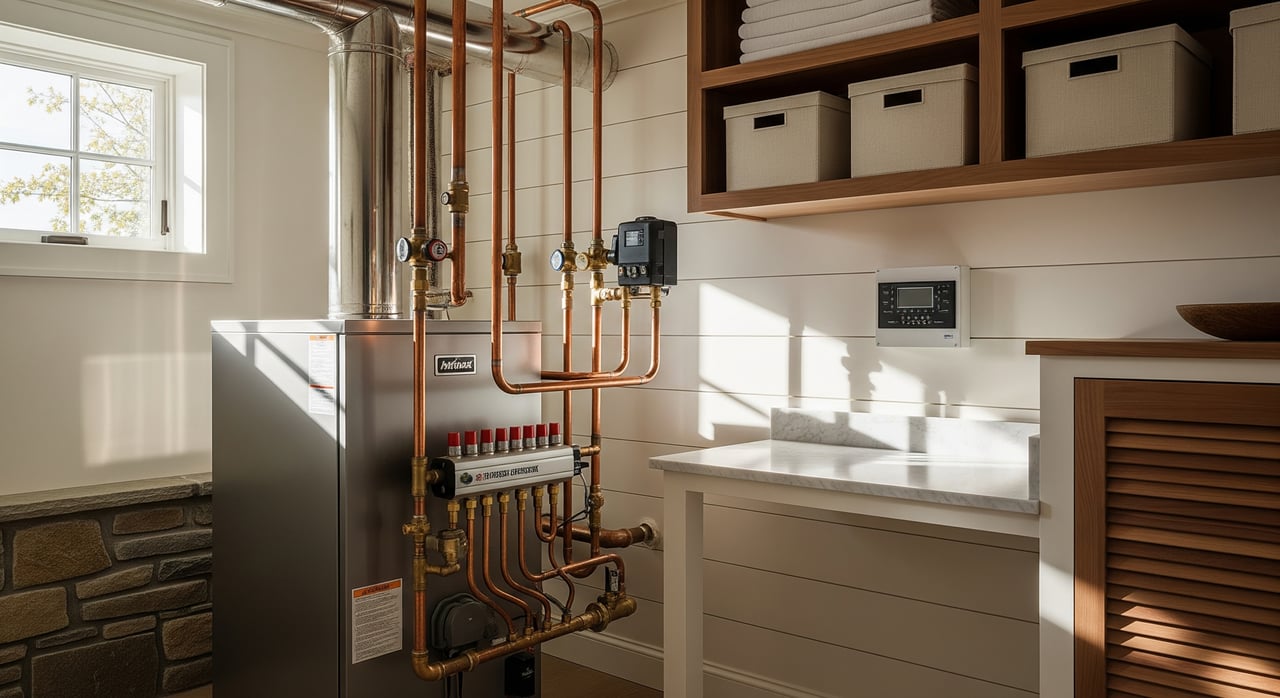
Eyeing a Westport home and wondering whether oil or natural gas heat fits your budget and plans? You are not alone. Heating fuel impacts comfort, costs, inspections, and even resale. In this guide, you will learn how oil and gas systems differ, what to verify before you buy or sell, and what conversion options look like in Westport. Let’s dive in.
Oil vs. gas in Westport: the local picture
Natural gas access in Connecticut varies by street. In Westport, some neighborhoods have gas mains while others rely on oil delivery. Always confirm gas availability with the local gas utility and the town’s public works or engineering office before making plans to convert.
New England has a long history of using heating oil compared with other U.S. regions. The EIA Connecticut energy profile and regional outlooks show that fuel mix and pricing are shaped by infrastructure, seasonal demand, and broader market forces.
Costs and price volatility
Over long periods, natural gas has often been less expensive per unit of heat than oil. That said, both fuels can swing in price during cold snaps or supply disruptions. The EIA Short-Term Energy Outlook tracks those trends and seasonal spikes.
Budgeting works differently for each fuel. Oil buyers typically schedule deliveries and may face lump-sum bills in winter, while gas customers pay monthly for metered usage. Many oil companies and utilities offer budget or price-protection plans. Ask sellers for recent fuel invoices to understand consumption patterns.
Equipment and efficiency basics
Oil and gas systems come as boilers for hot-water heat or furnaces for warm air. Efficiency is measured by AFUE, which estimates how much fuel becomes usable heat. Modern high-efficiency equipment, including condensing gas units and advanced oil burners, can outperform older models. For a plain-English primer, see the DOE’s overview of furnaces and boilers.
Heat pumps are an increasingly viable option in Connecticut. Cold-climate models can deliver efficient heating and cooling, and incentives may improve the numbers. Explore the DOE’s guide to heat pump systems and check current state programs at EnergizeCT.
Reliability and delivery logistics
If your home is connected to a natural gas main, supply arrives through the utility line, and you are billed for what you use. There is no on-site storage to manage. Oil systems rely on on-site tanks and scheduled deliveries. Missed deliveries can lead to run-outs, and tank condition matters for reliability and risk. If you buy oil, set up automatic delivery or closely track tank levels.
Safety, tanks, and environmental risk
Natural gas combustion typically produces less carbon dioxide per unit of heat than oil, though methane leakage in production and distribution also affects climate impact. Heating oil can produce more particulates unless low-sulfur blends are used.
Oil storage tanks deserve careful attention. Aboveground and especially underground tanks can leak and cause soil or groundwater contamination. Lenders and insurers may ask for inspections, tightness tests, or removal of old tanks. The EPA provides an overview of responsibilities and cleanup for underground storage tanks. In Connecticut, homeowners should also review current guidance from state and local authorities before removing or abandoning tanks.
Resale, financing, and insurance
Some buyers prefer homes with natural gas or efficient electric heat pumps. Others are comfortable with oil when equipment is modern and tank documentation is complete. The key is transparency. Expect lenders or insurers to ask for proof that any tank is sound or properly closed, especially if it is underground. Sellers who provide clear records reduce buyer hesitation and protect deal timelines.
Buyer checklist: what to verify
Use this quick list during showings and inspections:
- Confirm whether the street has a gas main and whether a service connection is feasible. Get written confirmation from the utility.
- Ask for fuel type, delivery history, and recent invoices.
- Note equipment age, model, and service records. Request any efficiency or combustion test reports.
- If oil is present, identify tank location, size, and type (aboveground or underground). Ask for permits, tightness tests, or closure/removal records.
- Order a tank sweep if history is unclear. Consider soil testing only if there are leak indicators.
- Have an HVAC contractor estimate replacement options, including heat pumps, before you finalize your offer.
Seller checklist: prep that builds confidence
Make it easy for buyers and underwriters to say yes:
- Gather invoices, service logs, and combustion test records for the boiler or furnace.
- Compile tank documentation: installation details, tightness tests, permits, or closure records.
- Consider a pre-listing tank sweep or tightness test if history is incomplete.
- Provide any utility correspondence about natural gas availability or prior connection denials.
- If equipment is older, obtain estimates for replacement or conversion so buyers can plan with real numbers.
Converting fuel types and other options
Thinking ahead can save headaches later. Here is how buyers and sellers in Westport can frame the decision.
Natural gas hookup
- Feasibility depends on proximity to a gas main and utility policies. Request a written feasibility review and cost estimate from the gas utility.
- Converting from oil may require a new boiler or furnace, venting changes, and removal of the oil tank. Permits are required, so build time into your schedule.
Switch to heat pumps
- Cold-climate heat pumps can perform well in Connecticut and may qualify for incentives. Start with EnergizeCT programs for heat pumps and efficiency.
- Homes with hydronic baseboards may need different approaches, such as air-to-water heat pumps, hybrid systems, or ducted mini-splits. Plan for possible electrical upgrades.
Propane as an alternative
- Propane provides gas-like performance without a pipeline. It uses on-site storage and regular deliveries, similar to oil. Pricing depends on local suppliers and contracts.
How to factor heat into your offer
Heating systems can influence your offer terms and timeline. Build in the right protections:
- Include a fuel-system contingency for combustion analysis, tank sweep, and chimney or vent inspection.
- If there is an underground tank or incomplete records, request seller-paid removal, an escrow for remediation, or a price credit. Require permits and final close-out documents.
- If you plan to convert, collect written utility and contractor estimates during due diligence so you understand timing and scope.
The bottom line for Westport buyers and sellers
Oil and gas can both deliver comfortable heat in Westport, but they carry different costs, risks, and maintenance needs. Your best move is to verify gas availability, document any oil tank fully, and evaluate equipment with a qualified HVAC professional. If you are considering heat pumps, review federal and state resources like the DOE’s heat pump systems guide and current incentives on EnergizeCT.
If you want a clear plan tailored to your property and neighborhood, reach out to Robbie Salvatore for local guidance, vendor coordination, and smart negotiation. Get a Free Home Valuation and a step-by-step path to your next move.
FAQs
How do I tell if a Westport home uses oil or gas heat?
- Look for an oil tank in the basement, garage, or outside, and check for oil delivery lines and fill/vent pipes. Gas homes typically have an exterior gas meter and yellow or black gas piping near the meter.
Is natural gas available on my Westport street?
- Availability varies by street. Contact the local gas utility and the town’s public works or engineering department, and ask for written confirmation about service to your address.
How risky is it to buy a home with an oil tank in Connecticut?
- Risk depends on tank type, age, and documentation. Order a tank sweep, review permits and test records, and consult environmental and insurance professionals if history is unclear.
What inspections should I order for heating systems during a purchase?
- Request a combustion safety and efficiency test, a chimney or vent inspection, and a tank sweep for oil systems. Add soil testing only if there are leak indicators or a known incident.
Does an oil tank affect financing or insurance?
- It can. Many lenders and insurers require inspections, testing, or removal of underground tanks, and full documentation of any closure or remediation.
What incentives support heat pump upgrades in Connecticut?
- Incentives change over time. Start with EnergizeCT for current state programs and pair that with federal guidance from the DOE’s Energy Saver resources.