If you are selling a home in Southport, staging is about more than making rooms look neat. Buyers in this coastal village are often noticing the whole experience, from the approach to the front door to the way natural light moves through older windows and across original trim. When you stage with Southport’s historic scale, coastal setting, and architectural character in mind, you can help buyers connect with the home faster. Let’s dive in.
Why Southport staging is different
Southport is not a one-size-fits-all market. It is a historic harbor village within Fairfield, with roots dating back to the 1600s and a built environment shaped by the harbor, coastal trade, and the railroad. According to the Fairfield Museum’s Southport history materials, the area includes a wide range of 18th- through early 20th-century architecture and a village setting known for intimate scale.
That matters when you prepare a home for sale. In Southport, buyers are often responding not just to square footage, but to proportion, flow, light, and how well the house fits its setting. A staging plan that feels restrained, calm, and respectful of the home’s architecture usually works better than one that feels oversized, trendy, or heavily themed.
Focus on the rooms buyers notice most
Not every room needs the same level of effort. The National Association of REALTORS® 2025 staging profile found that 83% of buyers’ agents said staging made it easier for buyers to visualize a property as their future home. The rooms most often staged were the living room, primary bedroom, and dining room.
For a Southport home, those priorities make sense. These are often the rooms where original fireplaces, millwork, mantels, windows, and ceiling height make the strongest impression. Your goal is to help buyers see comfort and livability while still letting the home’s character lead.
Stage the living room with restraint
The living room should feel easy to enter, easy to understand, and easy to imagine using every day. Use fewer pieces with better scale so the room feels open instead of crowded. Low-visual-weight seating and clean sightlines can help buyers notice windows, fireplaces, and trim details instead of furniture bulk.
A soft, warm palette also helps. NAR’s 2025 color guidance supports soft warm whites in living areas, which can work especially well in Southport homes where architectural details provide much of the interest.
Keep the primary bedroom calm
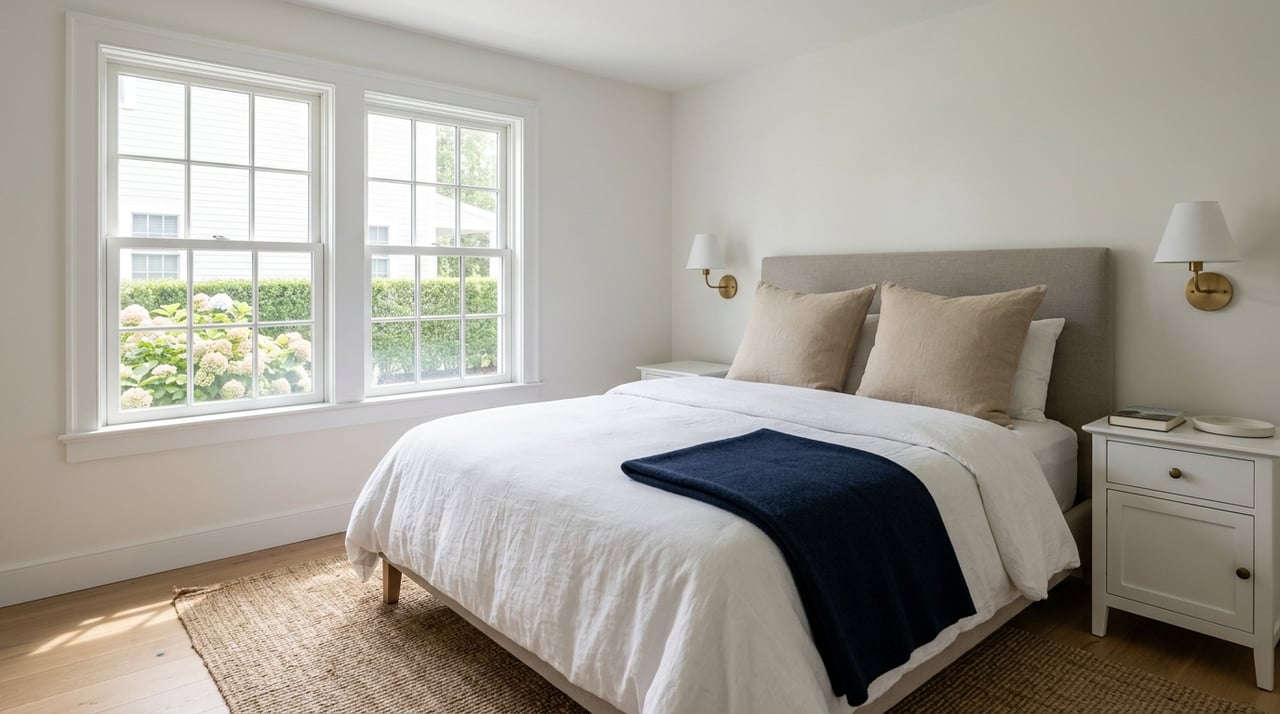
The primary bedroom should feel restful and simple. Warm neutrals, layered bedding, and minimal accessories can make the room feel finished without distracting from the home itself. If the room has older windows, built-ins, or interesting trim, keep décor understated so those features remain visible.
Define the dining room clearly
In many older homes, buyers want help understanding how formal spaces fit modern life. A dining room with a properly sized table, balanced lighting, and limited accessories can show purpose without making the room feel stiff. This is especially useful in Southport homes where room shapes and proportions may differ from newer construction.
Use color to support the architecture
Color has a big job in staging. It should brighten the home, create consistency, and support buyer imagination without competing with original features. NAR’s staging guidance points toward soft warm whites for living areas, warm neutrals for bedrooms, and off-white or natural wood tones for exteriors.
In Southport, this kind of palette usually works well because it complements historic millwork, plaster walls, wood floors, and natural coastal light. If you repaint before listing, keep tones quiet and cohesive. A calm palette can make the home feel more polished while helping buyers focus on the parts of the house they cannot recreate elsewhere.
Declutter before you decorate
Before you spend money on new pillows, art, or rental furniture, start with the basics. The NAR consumer guide to marketing your home recommends cleaning and decluttering windows, carpets, lighting fixtures, and walls because these details can have a major impact on buyer perception.
In Southport, this step matters even more because homes often have distinctive bones. If shelves are full, windows are dusty, or surfaces are crowded, buyers may miss the very details that give the home its appeal. Clean first, edit next, and only then decide whether more styling is needed.
What to remove first
Start with the items that interrupt visual flow or make rooms feel smaller:
- Excess furniture
- Personal photos and collections
- Heavy window treatments that block light
- Bulky rugs that hide flooring
- Countertop clutter in kitchens and baths
- Seasonal or overly themed coastal décor
The goal is not to erase personality completely. It is to create enough space for buyers to picture their own lives in the home.
Fix visible issues before adding décor
Small defects can quietly undermine a showing. NAR notes that visible dirt, bathroom clutter, poor lighting, overdone DIY repairs, and weak kitchen presentation can turn buyers off quickly. Their showing-offenses guidance also flags peeling paint, worn caulk, and foggy windows as issues that can hurt confidence.
That makes your repair list more important than your accessory list. In many Southport homes, the smartest pre-listing budget goes toward visible maintenance first, then staging touches second.
Prioritize these low-cost improvements
- Touch up peeling or chipped paint
- Repair worn caulk in kitchens and baths
- Replace burned-out bulbs and improve lighting consistency
- Clean or address foggy windows where possible
- Repair rotted or damaged trim
- Refresh dated or crowded bathroom presentation
- Deep clean kitchen surfaces and reduce countertop items
These updates help a home feel cared for, which can reassure buyers who may already be thinking closely about age, upkeep, and future maintenance.
Give curb appeal equal attention
First impressions start outside. According to NAR’s outdoor remodeling and curb appeal research, 92% of REALTORS® said they had suggested sellers improve curb appeal before listing, and 97% said curb appeal is important in attracting buyers.
In Southport, curb appeal is not just about neatness. It is also about fit. Buyers are often responding to the relationship between the house, the lot, the porch, the walkway, and the street. A clean, balanced, well-maintained exterior usually performs better than one with too many decorative changes.
Simple exterior updates that fit Southport
- Trim plantings to frame, not hide, the house
- Clear and sweep walkways
- Refresh mulch where appropriate
- Repair railings and porch details
- Make sure exterior lighting works
- Remove visual clutter from the entry
- Clean gutters, masonry, and visible trim
These changes can make the home feel well cared for without pushing it away from its architectural context.
Know the historic district rules
If your property is in Fairfield’s historic district, exterior work may involve more than design preference. The Fairfield Historic District Commission handbook says owners should consult the Commission before making exterior changes. It also states that exterior work, including reroofing, hardscape, and lighting, may require a Certificate of Appropriateness or a written determination that none is required.
The same handbook notes that repainting and repairs that do not change the original appearance generally do not require a certificate. It also says deteriorated historic features should be repaired rather than replaced whenever possible, and if replacement is necessary, the new feature should match the old in design, color, texture, and where possible, materials.
What that means for sellers
In practical terms, light-touch work is often the smartest path:
- Wash and touch up instead of replace
- Repair wood and trim before changing them
- Refresh porch details carefully
- Edit landscaping instead of redesigning it
- Confirm review requirements before booking trades
If review is needed, timing matters. The handbook notes that Commission decisions are due within 65 days of receiving an application, so it helps to build in lead time before your target list date.
Don’t overlook coastal risk presentation
Because Southport is a coastal village, buyers may pay close attention to flood risk, drainage, basements, and mechanical areas. FEMA says the Flood Map Service Center is the official source for flood hazard information, and Connecticut DEEP explains that flood management in the state ties to maps, regulations, and insurance through the National Flood Insurance Program.
For staging, that does not mean you need to alarm buyers. It means the home should present as orderly, dry-looking, and well managed. If you have a basement, utility room, or storage area, keep it especially neat. If there are visible mitigation or drainage features, make sure they are accessible, clean, and easy to understand during showings.
Follow a smart staging order
When sellers feel overwhelmed, sequence matters. The best results usually come from handling preparation in the right order instead of trying to do everything at once. NAR’s guidance supports starting with clutter and condition before moving into styling, photography, and showings.
For a Southport listing, this is a practical order to follow:
- Declutter, deep clean, and depersonalize high-traffic rooms.
- Repaint where needed using soft warm whites or warm neutrals.
- Fix visible maintenance issues before spending on décor.
- Stage the living room, primary bedroom, and dining room first.
- Improve the front entry, porch, and yard for stronger curb appeal.
- Confirm whether any exterior work needs historic district review.
- Finish with photography-ready styling and showing prep.
This approach helps you protect your budget while focusing on the items buyers are most likely to notice.
Why local guidance matters
Southport homes often need a more tailored prep strategy than a standard suburban listing. A historic or coastal property may involve different decisions around paint, repairs, scale, exterior presentation, and timing. That is where practical planning can make a real difference.
If you are preparing to sell in Southport, working with someone who understands local housing stock, buyer expectations, and pre-listing coordination can save time and reduce stress. Robbie Salvatore helps sellers navigate pricing, repairs, staging, and vendor coordination with a hands-on, client-first approach.
FAQs
What rooms should you stage first in a Southport home?
- The living room, primary bedroom, and dining room are usually the best places to start, since NAR reports those are the rooms most commonly staged and they often showcase a Southport home’s architectural character.
What paint colors work best when staging a Southport coastal home?
- Soft warm whites in living areas and warm neutrals in bedrooms tend to work well because they create a calm backdrop and let original windows, trim, fireplaces, and millwork stand out.
What exterior improvements help attract buyers in Southport?
- Focus on curb appeal basics such as trimmed plantings, clear walkways, repaired railings, working exterior lighting, fresh touch-ups, and a clean, usable porch or entry.
What should sellers know about historic district rules in Southport?
- If your home is within Fairfield’s historic district, some exterior changes may require Historic District Commission review, so it is wise to confirm requirements before scheduling work.
Why does decluttering matter when selling a Southport historic home?
- Decluttering helps buyers notice the home’s proportions, light, windows, fireplaces, and original details instead of being distracted by furniture, collections, or crowded surfaces.
How can coastal flood considerations affect staging in Southport?
- Buyers may look closely at flood-zone information, drainage, basements, and mechanical areas, so those spaces should be neat, dry-looking, and well presented during showings.