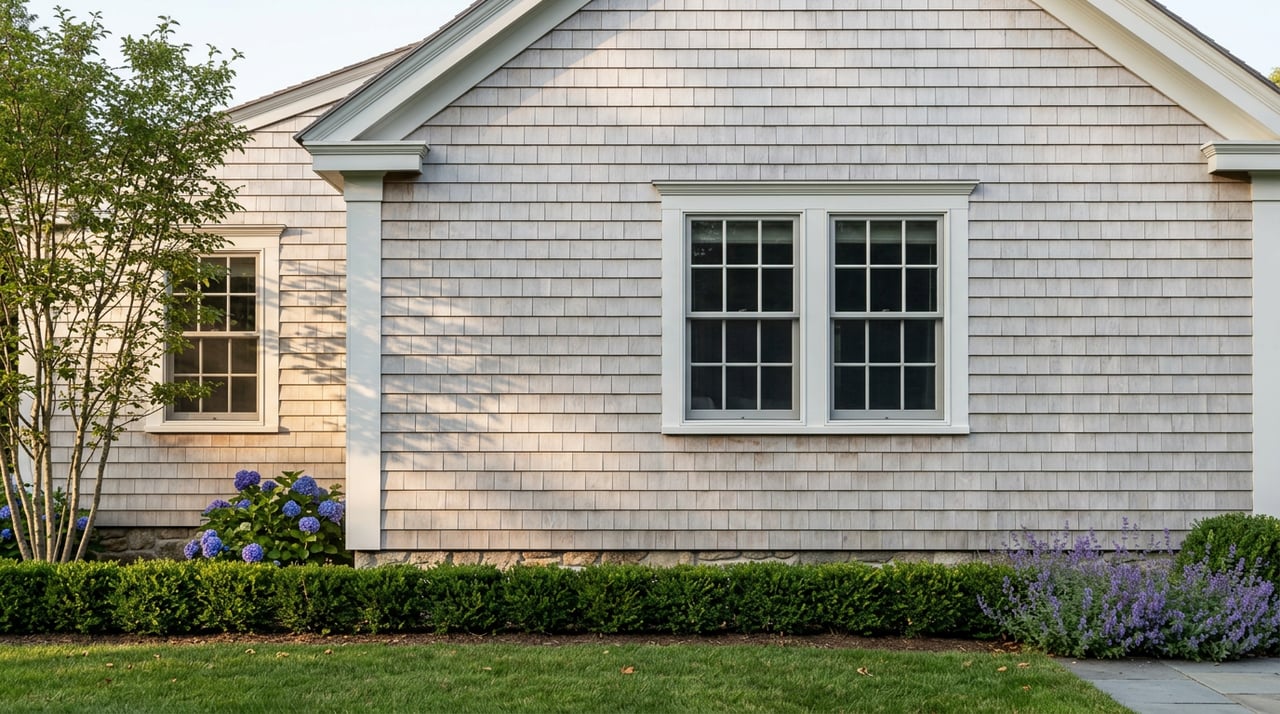
In 2018, a homeowner on Westway Road in Southport wanted to put up a Little Free Library, the kind of post-mounted box where neighbors leave a paperback and take one home. The application was filed on the owner's behalf by J. P. Franzen Associates, a Fairfield design firm, and it went onto the same agenda that reviews additions, roofs, and fences across Southport's historic core. Nobody expects a book box to need a hearing. In Southport, it did.
That single case tells you more about buying, selling, or renovating in Southport than any headline price you'll find on a national portal. The number that actually governs your timeline here isn't the median sale price. It's whether your project needs a Certificate of Appropriateness, and how that approval fits into the town's calendar.
The Approval You Didn't Know You Needed
Southport's historic district isn't policed by a homeowners association or a design committee with informal sway. It's regulated under Connecticut General Statutes Chapter 97a, enforced locally by the Town of Fairfield's Historic District Commission, which oversees three districts: Southport, Greenfield Hill, and the Old Post Road corridor downtown. Before you touch the exterior of a house in any of the three, you're supposed to consult the commission first. The building department won't hand you a construction permit until the commission signs off, full stop.
The commission's own handbook spells out what that sign-off is called: a Certificate of Appropriateness, an approval that acknowledges proposed work is in keeping with the character of the district. It's required before any other permit, and Fairfield's own building department confirms it on the town's permitting page: your application does not move forward until Historic District Commission approval is in hand, where applicable.
What Actually Counts as "Exterior"
The threshold is lower than most buyers assume. Case files from Southport addresses, spanning nearly a decade, show the range of projects that have gone before the commission:
| Project | Address | Outcome |
|---|---|---|
| New three-car garage with wood doors and windows to match the main house | 968 Harbor Road | Reviewed and discussed at a public hearing |
| Window replacement using a specific brand and grille pattern to match the rest of the building | 176 Main Street, Unit 1B | Approved as presented |
| Site improvements at a private yacht club property | 647 Harbor Road | Commission wrote a letter in favor |
| A post-mounted Little Free Library | 231 Westway Road | Filed and reviewed like any other exterior change |
Fences, siding, rooflines, additions, and even small yard structures visible from a public street generally fall inside the commission's reach. What tends to fall outside it is interior work that isn't visible from a public way. In one case reviewed by the same commission, homeowners planning interior renovations were told the commission likely didn't have jurisdiction over changes that wouldn't be seen from the street, because the district's authority is tied to what the public sees, not what happens behind the walls.
That distinction matters for anyone running renovation math on an older Southport property. A gut renovation that stays inside the existing envelope moves at a different pace than one that touches windows, roofline, or footprint.
The Calendar That Actually Matters
Here's the part that catches people mid-transaction. The commission generally meets once a month, on the second Thursday, at 4:15 p.m. Written comment on any application, whether in support or in opposition, has to be mailed, not emailed, to Sullivan Independence Hall at 725 Old Post Road, and it has to arrive by 2:00 p.m. the Wednesday before the hearing. Miss a monthly cycle and you're not waiting a few days. You're waiting roughly four weeks for the next one.
A broader look at Connecticut permitting confirms the pattern isn't unique to Fairfield. A 2026 guide to CT roofing permits notes that projects requiring plan review, including anything in a historic district, typically run two to four weeks longer than a standard over-the-counter approval. That's before you factor in whether your project needs a full hearing or can be handled administratively.
For an owner-occupant with no deadline, a month is an inconvenience. For a seller trying to swap a failing roof or a rotted fence before listing photos go live, or a buyer who assumed post-closing renovations could start the week after keys change hands, it's the difference between a smooth timeline and a stalled one.
There's a second, quieter cost. Older Southport houses, the kind that make up most of the district, often don't have accurate as-built drawings on file. A Connecticut historic district FAQ on documentation requirements points out that for an 18th or 19th century house, measured drawings usually don't exist, and where they do, generations of alterations have made them inaccurate. That means before you can even submit a complete application, you may need a site survey to document what's actually there. Build that step into your schedule too.
The Median Price You Saw Online Isn't the Number to Plan Around
Search "Southport CT home value" and you'll get several different answers depending on where you look, and they don't agree with each other by small margins.
One widely used home value index put Southport's average at roughly $1.5 million as of May 2026, up 7.6% year over year. A separate market report citing RPR data put the median sale price in early 2026 at $1.34 million, up just 0.6% over the prior twelve months, a market barely moving. Meanwhile, one national portal's own numbers showed a median sale price of $650,000 in October 2025, down nearly 34% from the year before.
That's not three views of the same trend. That's what happens when a neighborhood this small changes hands rarely enough that one or two unusual sales, a modest condo one month, a waterfront estate the next, can swing a median by hundreds of thousands of dollars. Southport isn't a high-volume market where averages smooth themselves out. It's a place where the headline number depends heavily on which handful of houses happened to close that quarter, and which website is doing the counting.
The Historic District Commission's calendar doesn't have that problem. It meets the second Thursday of the month whether the median moved up or down. If you're timing a sale or a purchase around exterior work, that's the number worth writing on your own calendar, not whatever figure a portal update happens to show this week.
What This Means Depending on Where You Sit
If you're selling, any exterior fix meant to boost curb appeal before your listing goes live, a new front door, replacement windows, a repainted or re-shingled roof, may need a Certificate of Appropriateness first. Build in a full monthly cycle, not a weekend, before you schedule your photographer.
If you're buying, ask before you assume. A house you're planning to modernize after closing may come with a longer runway than a comparable house outside any historic overlay, simply because the exterior changes you have in mind sit inside the district's review authority. That's not a reason to walk away. It's a reason to build the timeline into your offer and your contractor conversations up front.
If you're renovating as an investor, the interior-versus-exterior line changes your value-add math. A project that reconfigures interior space without touching windows, siding, or roofline can often move at a normal contractor's pace. A project that adds square footage, changes the roofline, or swaps exterior materials needs the commission's calendar built into your carrying-cost projections.
A Few Questions Worth Asking Before You Start
Does interior renovation need historic district approval in Southport? Generally no, if the work isn't visible from a public street or way. The commission's authority is tied to what the public sees. Confirm your specific scope with the building department before you assume you're clear.
What happens if exterior work goes forward without a Certificate of Appropriateness? The building department won't issue the underlying construction permit without it. Work done without the required approval creates a compliance problem that can surface later, including at the point of sale.
How far ahead should I plan if my project needs a hearing? Assume at least one full monthly cycle from the point your application is complete, longer if your house needs a fresh survey first or if the commission asks for revisions at the hearing.
If you're weighing a purchase, a sale, or a renovation project inside Southport's historic district, the timeline questions are worth working through before you're under contract pressure, not after. Robbie Salvatore works Southport and the surrounding Fairfield County towns with exactly this kind of hands-on, construction-literate approach, matching pricing and project planning to what a property will actually require. Get a Free Home Valuation and a straight answer on what your specific address is dealing with before you make your next move.