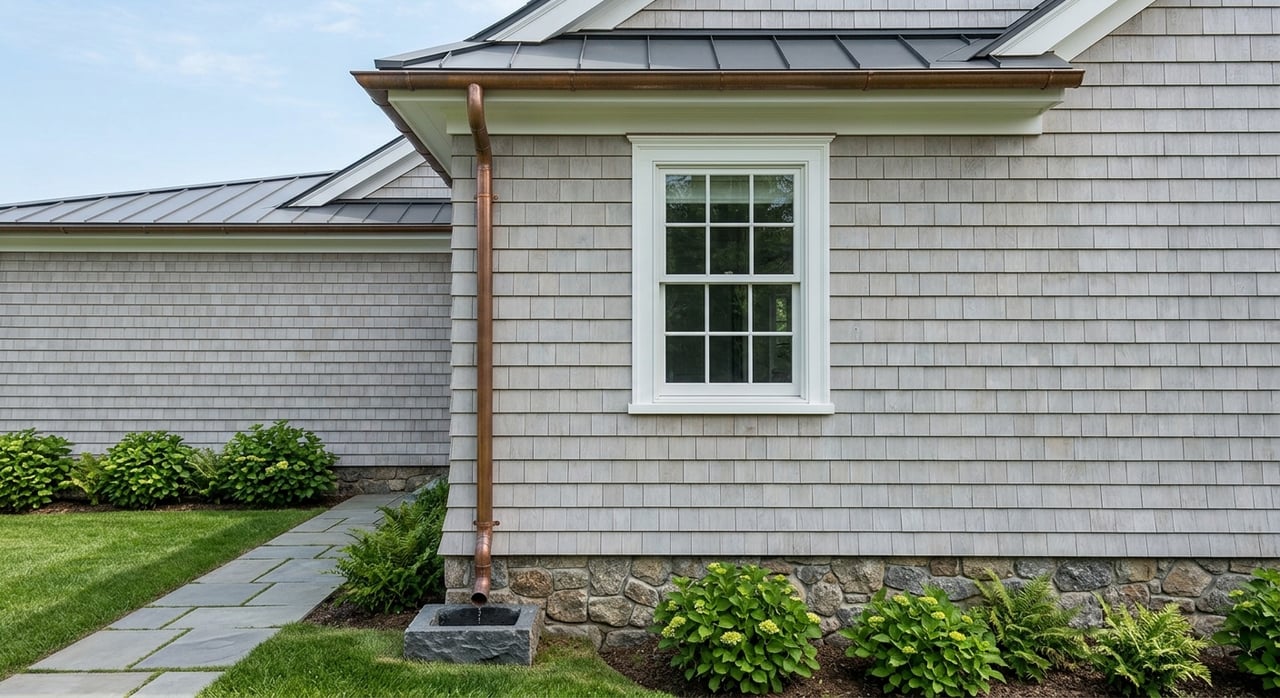
If you are getting ready to sell in Westport, the smartest repairs are not always the biggest ones. In a market where owner-occupied homes are common and home values are high, buyers tend to focus on issues that affect safety, water intrusion, permit status, and closing risk. If you handle the right items before listing, you can reduce surprises, protect your negotiating position, and make the path to closing smoother. Let’s dive in.
Why pre-listing repairs matter in Westport
Westport is a market where details matter. U.S. Census QuickFacts reports an 88.8% owner-occupied housing unit rate and a median owner-occupied home value of $1,405,200. That often means buyers are paying close attention to condition, maintenance history, and anything that could trigger a future cost.
In practice, many inspection issues come back to a few core themes. Common defect categories include drainage, roof damage, electrical concerns, heating systems, plumbing, exterior wear, ventilation, and general maintenance. For Westport sellers, the biggest takeaway is simple: focus first on repairs tied to water, safety, permits, and site compliance.
Start with water issues
Water-related defects deserve top priority before you list. Inspection reports often flag grading and drainage problems, roof leaks, flashing failures, gutter issues, and moisture in basements or crawlspaces. These problems tend to grow over time, and they can raise bigger concerns about long-term maintenance.
Westport also places strong emphasis on stormwater management and site controls. That makes exterior drainage more than a cosmetic issue. If water is collecting near the foundation or moving toward the house, it is worth addressing early.
Check the roof and flashing
A leaking or aging roof can quickly become a negotiation problem. Buyers may worry not just about the repair itself, but about what water may have affected underneath. If you know of active leaks, damaged shingles, or flashing issues, those are usually worth handling before the home hits the market.
If a full replacement may be needed, the decision gets more strategic. In some cases, a targeted repair makes sense. In others, a credit or price adjustment may be the cleaner option if the scope is still uncertain.
Improve gutters and drainage
Clogged gutters and short downspouts can create avoidable inspection comments. When water spills near the foundation, it can lead to basement moisture, erosion, and visible wear around the home. Extending downspouts away from the house and fixing obvious drainage issues can make a meaningful difference.
Negative grading is another common red flag. If the ground slopes toward the house, buyers and inspectors often see that as a sign of future moisture risk. Even modest grading corrections may help reduce concern.
Address basement or crawlspace moisture
A damp basement can change the tone of a showing fast. Even if the source seems minor, visible moisture, musty conditions, or signs of past seepage can push buyers to assume a bigger issue exists. If you have active water entry, it is usually best to investigate and repair it before listing.
Fix visible exterior wear
Exterior condition shapes first impressions before buyers ever read the disclosures. Damaged siding, peeling paint, worn caulking, crumbling masonry, and weathered trim can all suggest deferred maintenance. Even smaller items can make buyers wonder what else has been overlooked.
Windows and doors also matter. If they show visible deterioration or allow air and water intrusion, they may come up during inspection and during buyer walk-throughs. In Westport, where many homes have strong curb appeal, clean exterior upkeep can support both confidence and value.
Prioritize safety systems
Not every old component needs to be replaced before listing. But anything that appears unsafe should move to the top of your list. Safety-related items are more likely to trigger buyer concern, lender questions, or repair requests.
Review electrical issues
Electrical defects are among the most common inspection findings. Problems can include improper wiring, unsafe connections, inadequate overload protection, or outdated service components. If you have nonworking outlets, exposed wiring, or signs of amateur electrical work, those are usually smart to address before you list.
This does not mean every older panel automatically needs replacement. It means obvious safety issues should not be left for the buyer to discover first. A clean, professional correction can help reduce friction later.
Service heating and combustion systems
Heating systems deserve attention, especially if the boiler, furnace, chimney, or fireplace has known issues. Common inspection concerns include malfunctioning controls, blocked chimneys, and unsafe exhaust disposal. If a system has not been maintained recently, a service visit may be worthwhile before the listing goes live.
When buyers see deferred HVAC or chimney maintenance, they often assume a larger replacement bill may be coming. If you already know a system is not performing properly, it is usually better to deal with it up front.
Resolve active plumbing problems
Plumbing issues often seem small until they show up on an inspection report. Leaks under sinks, aging pipes, faulty fixtures, and recurring drain or waste-line problems can quickly become negotiation points. If you have an active leak or backup issue, fixing it before listing can help you avoid a preventable re-trade later.
Watch for Westport-specific deal blockers
Some homes have condition issues that go beyond a standard punch list. In Westport, a few location-specific items can create bigger delays or concerns if you wait too long to deal with them.
Confirm septic status
Many parts of Westport have sewer service, but according to the town’s Public Works FAQ, sewer is generally not available north of the Merritt Parkway. If your home is on septic, buyers may ask for pumping history, records, and as-built information where available. That makes septic documentation part of your pre-listing preparation.
Even if the system is functioning, unclear records can create uncertainty. If maintenance is overdue or the system has known issues, it is better to discuss that early rather than react under contract.
Verify oil tank history
If the property uses oil heat now or did in the past, confirm the status of any underground tank. Westport’s Residential Oil Tank Guidelines state that a discontinued underground fuel oil tank must be removed or properly abandoned within 90 days, and new tank work requires a building permit. Tank questions can make buyers nervous, so this is worth sorting out before listing.
Check for open permits
Open permits can delay a closing and may create liability or insurability concerns. Westport provides a process for permit closeout and obtaining a Certificate of Occupancy, and the town specifically notes that open permits can become a closing issue. For sellers, this is not just paperwork. It is part of reducing transaction risk.
If you replaced windows, did roof work, altered plumbing or electrical systems, or completed another major project, confirm whether the permit was properly closed. A clean file can save time once a buyer starts due diligence.
Know when permits may apply
Before scheduling repairs, check whether the work requires approval. Westport’s Building Department says permits are needed for many common projects, including roof replacement, window replacement, structural changes, boilers and furnaces, plumbing work, electrical alterations, chimneys, basement or attic finishes, decks, garages, and additions.
That matters because some sellers assume a repair is simple when the town may view it differently. Permit status is part of how Westport confirms work meets minimum standards for health, safety, and environmental protection.
Site work can trigger extra review
Westport’s residential approvals matrix shows that work involving septic systems, wetlands or watercourses, aquifer zones, flood zones, drainage, grading, driveways, sewers, retaining walls, and some exterior changes may need review from multiple departments depending on the project. In other words, even practical exterior repairs may involve more than one signoff.
If your repair affects drainage or site conditions, build in extra time. This is one reason sellers often benefit from creating a repair plan before the target list date.
Historic properties need extra care
If your home is in a local historic district or is a local historic property, visible exterior work may require a Certificate of Appropriateness before a building permit is issued. That can apply to items like windows and other exterior replacements. If this applies to your home, it is best to verify requirements before starting visible front-of-house work.
Use a fix-versus-credit strategy
Not every issue should be repaired before listing. The goal is not to create a perfect house. The goal is to remove the problems most likely to hurt first impressions, scare buyers, or disrupt closing.
A practical framework is to fix items that are:
- Safety-related
- Actively leaking or causing damage
- Clearly visible to buyers
- Likely to create permit or closing problems
For larger projects with uncertain scope, a credit or pricing adjustment may be the better play. This can apply to a full roof replacement, major drainage corrections, substantial septic work, or anything that depends on outside approvals, excavation, or specialty contractors. If the timeline is unclear, forcing the job before listing can create more stress than value.
A smart pre-listing plan for Westport sellers
One of the best ways to prepare is to walk the property with your agent and a licensed contractor before you list. From there, sort the findings into three buckets:
- Must fix now
- Document and disclose
- Better handled with a credit or price adjustment
This approach works well in Westport because so many issues can overlap. A drainage concern may connect to grading, permits, wetlands review, or basement moisture. A heating issue may also involve chimney work or permit history. A focused plan helps you spend money where it matters most.
The right repair strategy can strengthen your pricing position and reduce avoidable back-and-forth once inspections begin. If you want practical guidance on what to fix, what to document, and what may be better left as a credit, Robbie Salvatore can help you build a listing plan that fits your home and timeline.
FAQs
What home inspection repairs matter most before listing in Westport?
- The highest-priority items are usually water intrusion, drainage, roof leaks, visible exterior deterioration, safety-related electrical concerns, heating system issues, plumbing leaks, open permits, septic questions, and oil tank status.
Should you fix drainage issues before selling a Westport home?
- In many cases, yes. Drainage and grading problems are common inspection findings, and in Westport they can carry extra weight because of the town’s focus on stormwater management and site conditions.
Do Westport sellers need to check for open permits before listing?
- Yes. Westport states that open permits can delay closing and may create liability or insurability issues, so permit cleanup should be part of your pre-listing preparation.
When does a repair project need a permit in Westport?
- Westport says permits are needed for many common projects, including roof replacement, windows, plumbing, electrical work, boilers, furnaces, chimneys, structural changes, decks, garages, and basement or attic finishes.
What if your Westport home has a septic system?
- If the home is not on municipal sewer, gather septic records, maintenance history, and as-built information where available. Buyers often ask for this information during due diligence.
Should you repair everything before listing a Westport home?
- No. It is usually better to fix safety issues, active leaks, visible defects, and likely closing problems first, while considering credits or pricing adjustments for large projects with uncertain scope.