If you are getting ready to buy or sell in Southport, one truth matters right away: buyers notice more than square footage and pretty photos. In a place known for historic character, coastal setting, and high expectations, the details stand out fast. Understanding what buyers actually pick up on during a showing can help you walk in sharper as a buyer or prepare more strategically as a seller. Let’s dive in.
Why Southport showings feel different
Southport is not a one-size-fits-all market. Fairfield’s Southport Historic District includes more than 150 buildings and reflects a mix of 18th-, 19th-, and 20th-century architecture, along with large lots, historic lawns, and gardens. That means buyers often look beyond the basic layout and pay close attention to how a home fits its setting.
If a property sits in the Historic District, buyers may notice whether exterior updates look consistent with the home’s age and style. Fairfield’s Historic District guidance reviews exterior appearance, materials, site layout, and visual effect, and many exterior changes need a Certificate of Appropriateness before a permit can be issued. In practical terms, that makes buyers more alert to roofs, siding, windows, lighting, and hardscape choices.
Southport also sits within Fairfield’s coastal planning framework. For homes near the water, buyers are often thinking about flood risk, erosion, past water intrusion, and whether shoreline features were properly authorized. Those questions can come up early, sometimes before a buyer has finished the first showing.
What buyers notice first
The approach to the house
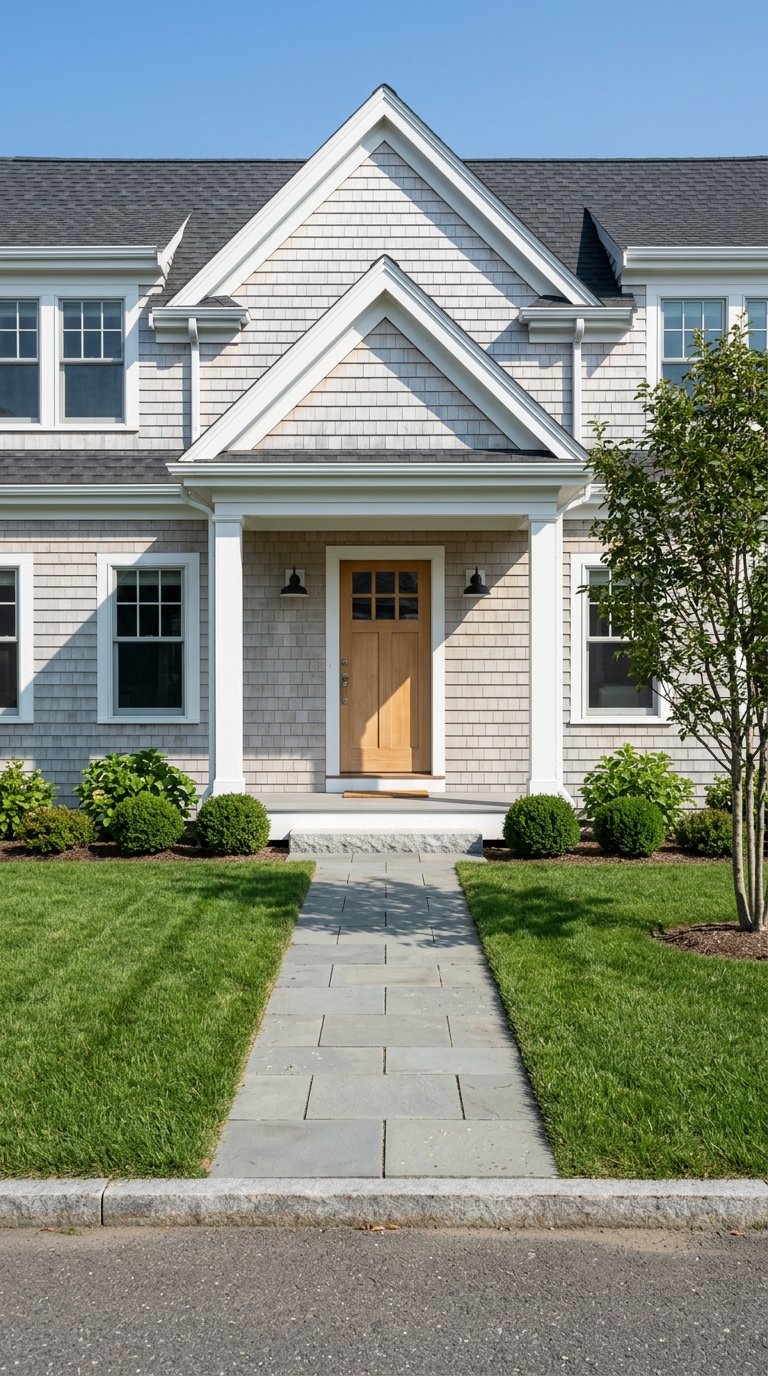
Before buyers step inside, they are already forming opinions. The yard, walkway, gutters, front door, and overall curb appeal shape the first impression. If the exterior feels tidy and cared for, buyers tend to assume the same about the rest of the home.
In Southport, that first look can carry extra weight because the streetscape matters. Historic guidance notes that materials and landscaping contribute to the visual integrity of a property and the surrounding area. Buyers often notice when a home feels visually in sync with its setting, and they also notice when it does not.
The first few minutes inside
Buyers often make snap judgments within minutes of walking through the front door. They react quickly to light, smell, temperature, and how easy the home feels to understand. Even a strong layout can lose momentum if the space feels dim, stuffy, or cluttered.
That is one reason staging and presentation matter so much. Buyer agents have reported that staging helps buyers visualize a home as their future home, which can be especially important in Southport properties with formal rooms, older architecture, or unique floor plans.
Light, smell, and comfort matter more than sellers think
Natural light and brightness
Buyers pay attention to how much natural light a home gets during the day. Clean windows, open window treatments, and brighter bulbs can make a space feel fresher and larger without changing a single wall. A bright home tends to feel better maintained and easier to live in.
This matters in Southport because many homes blend older architecture with mature landscaping. Trees, porch structures, and traditional room layouts can affect how light moves through the house. Buyers notice when a seller has made the most of available light.
Odors and air quality
Smell can shape a showing faster than almost anything else. Deep cleaning and airing out the home are simple steps, but they make a big difference. Buyers often read musty odors as a possible sign of moisture problems, and heavy fragrance can raise suspicion that something is being covered up.
For coastal or lower-lying homes, this issue can carry even more weight. Connecticut guidance notes that flood damage is not covered by standard homeowners insurance, and even one inch of flooding can cause more than $25,000 in damage. Buyers know that moisture concerns are not just cosmetic.
Temperature and basic comfort
A home should feel comfortable the moment a buyer walks in. If it is too hot, too cold, or poorly ventilated, buyers may start wondering about maintenance, system performance, or hidden issues. Comfort sounds basic, but it strongly affects how long buyers want to stay and how positively they remember the house.
The rooms buyers focus on most
Living room
The living room is often the highest-impact room during a showing. According to NAR’s 2025 staging data, it is the room buyers most want staged. Buyers use it to judge how the home lives day to day, whether the scale feels right, and whether the space feels inviting.
In Southport, living rooms often carry architectural details that buyers remember, like fireplaces, trim, built-ins, or larger windows. Clean furniture placement and clear walking paths help those features stand out instead of getting lost in visual clutter.
Primary bedroom
The primary bedroom is another key room buyers focus on. They are looking for comfort, quiet, natural light, and enough space to function easily. If the room feels cramped or overfilled, buyers may mentally discount the home, even if the dimensions are acceptable.
A calm, simple setup usually works best. Buyers want to imagine their own routine there, not decode someone else’s storage system or furniture arrangement.
Kitchen
The kitchen often gets close inspection. Buyers look at layout, condition, cabinet quality, countertop wear, lighting, and whether the room feels clean and functional. In Southport, they may also pay attention to whether updates fit the overall style of the home.
A beautifully renovated kitchen can help a showing, but inconsistency can hurt it. If the kitchen feels disconnected from the home’s architecture or the finish quality changes abruptly from one area to another, buyers notice that too.
Red flags Southport buyers spot quickly
Deferred maintenance
Small issues send a big message during showings. Sticky doors, torn screens, cracked caulking, dripping faucets, burnt-out bulbs, and foggy windows can make buyers think the home has not been cared for. Even when the fixes are minor, the impression can be costly.
Outside, peeling paint, rotted wood, worn siding, and messy gutters tend to stand out right away. In Southport, where buyers often expect a polished presentation, visible maintenance issues can feel even more significant.
Poor-quality updates
Buyers notice rushed repairs and uneven DIY work. Inconsistent finishes, awkward patch jobs, or materials that do not look appropriate for the house can make people question what is behind the walls as well. This is where practical property knowledge matters, because buyers are often reading workmanship as much as style.
For homes in the Historic District, mismatch is a specific concern. Fairfield guidance discourages artificial siding and encourages retaining or replicating original roofing and siding materials where possible. Oversized skylights or porch enclosures can also affect how buyers view a home’s historic character.
Moisture and water concerns
In coastal Southport, buyers tend to ask direct questions about water. They may look for signs of prior flooding, musty odors, staining, or basement dampness. They may also ask for flood zone information, flood insurance details, and records of prior water intrusion.
Connecticut guidance notes that 25% to 40% of flood losses occur outside designated flood zones. That means buyers may not stop asking questions just because a property is outside the highest-risk area. They want clarity, documentation, and a realistic picture of risk.
Shoreline features and permits
If a home has shoreline structures like docks, seawalls, or bulkheads, buyers may want to know whether they were properly authorized. Connecticut advises owners to confirm whether shoreline work needs permits and notes that responsibility can still matter even if a previous owner installed the feature.
This is the kind of issue that can shift a showing conversation from lifestyle to due diligence very quickly. When the paperwork is organized, buyers usually feel more confident moving forward.
What sellers can do before listing
Start with visible basics
The most effective prep is often the simplest. Declutter, deep clean, trim landscaping, clean windows and screens, replace burnt-out bulbs, and create a neutral-smelling interior. Buyers notice these things immediately, and they influence how every room feels.
You do not need to overcomplicate the process. A clean, bright, cared-for home usually shows better than a home with expensive updates but distracting maintenance issues.
Prioritize the right rooms
If you are choosing where to spend time and money, start with the living room, primary bedroom, and kitchen. Those are the rooms buyers care about most during showings. Thoughtful staging in those spaces can make it easier for buyers to picture daily life in the home.
Review exterior work carefully
If your property is in the Southport Historic District, review planned exterior changes before starting work. Fairfield’s handbook says reroofing, alterations, hardscape, and lighting can trigger review, though some repairs that do not change appearance may be simpler to handle. Buyers notice when updates look appropriate, and they may ask questions if they do not.
Have coastal documents ready
For coastal homes, preparation should include paperwork as well as presentation. Keep flood zone information, flood insurance details, records of past flooding or water intrusion, and permits or approvals for shoreline structures in one place. That kind of organization can reduce uncertainty and support stronger buyer confidence.
What buyers should pay attention to during a showing
If you are buying in Southport, try to balance emotion with observation. It is easy to get pulled in by charm, especially in a market with historic homes and coastal appeal. Still, the smartest buyers look closely at condition, consistency, and the practical details behind the presentation.
Pay attention to the exterior approach, signs of deferred maintenance, natural light, odors, window condition, moisture clues, and how updates fit the home’s style. If the property is in the Historic District or near the coast, ask early about exterior approvals, flood-related information, and shoreline permits where relevant. Those details can shape your decision just as much as the floor plan.
In Southport, showings are about more than a pretty first impression. Buyers are looking for a home that feels cared for, makes sense for the setting, and holds up under closer inspection. That is exactly where local insight and a practical eye can make a real difference.
If you are buying or preparing to sell in Southport, Robbie Salvatore can help you evaluate what buyers will notice, prioritize the right prep, and move forward with clear, local guidance.
FAQs
What do buyers notice first during a Southport showing?
- Buyers usually notice the exterior approach first, including the yard, walkway, front door, gutters, and overall curb appeal, then quickly react to light, smell, temperature, and layout once inside.
Why do historic details matter to Southport buyers?
- In the Southport Historic District, buyers often pay attention to whether exterior materials, repairs, and upgrades look consistent with the home’s age, style, and surrounding streetscape.
What rooms matter most to buyers during a home showing?
- The living room tends to matter most, followed by the primary bedroom and kitchen, because those spaces help buyers picture everyday living and judge overall condition.
What red flags do buyers notice in Southport homes?
- Common red flags include peeling paint, rotted wood, worn siding, foggy windows, poor DIY work, dripping fixtures, musty odors, and updates that feel out of place for the home.
What should sellers prepare for a coastal Southport listing?
- Sellers should be ready with flood zone information, flood insurance details, records of past water intrusion or flooding, and any permits or approvals related to shoreline structures.
What should buyers ask about homes near the water in Southport?
- Buyers should ask about flood risk, prior water intrusion, flood insurance, and whether any docks, seawalls, bulkheads, or other shoreline features were properly authorized.