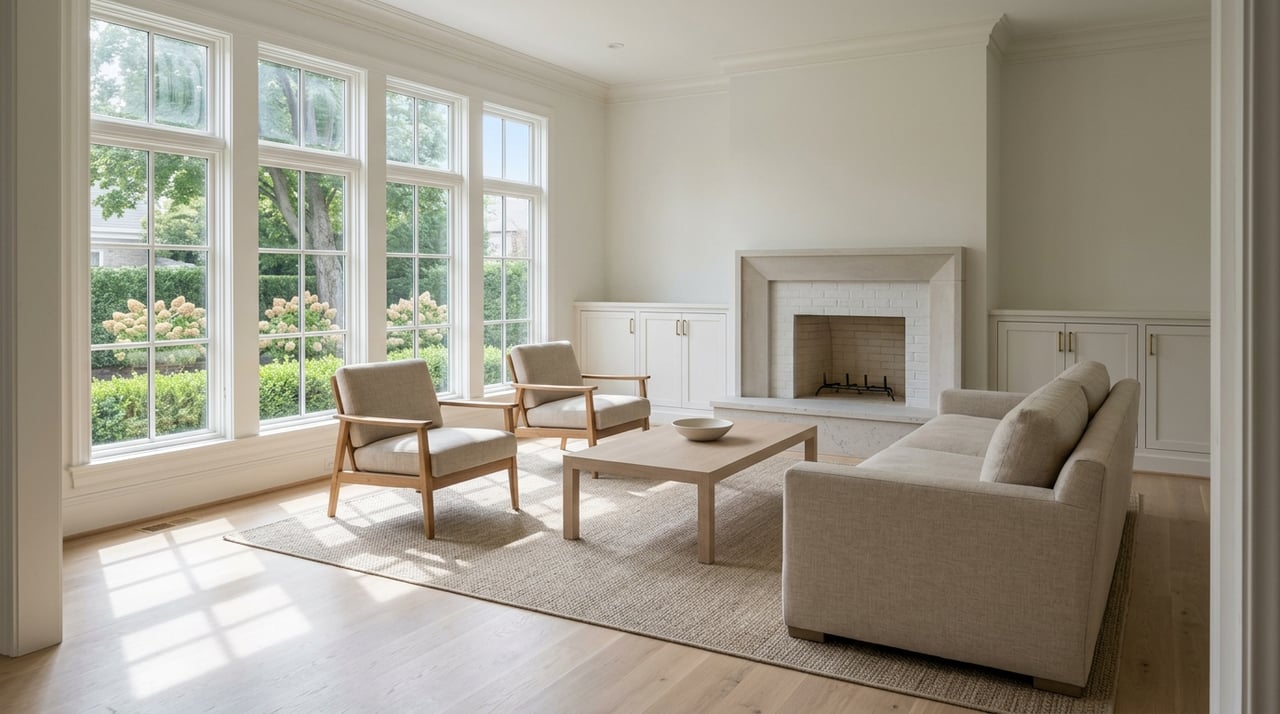
Thinking about selling your Greenwich home? In a market where pricing, timing, and presentation can shift results fast, a clear plan matters. If you want to attract serious buyers, protect your leverage, and avoid last-minute surprises, it helps to know what to do and when to do it. Here’s a practical step-by-step plan to get your Greenwich home ready to list and ready to sell.
Start With a Real Timeline
Many sellers underestimate how long the pre-listing phase takes. Seller research shows the typical homeowner spends about 3 to 4 months seriously thinking about selling before the home actually hits the market. In Greenwich, that planning window gives you time to make smart decisions instead of rushed ones.
The goal is not to chase a perfect calendar date. It is to launch when your home is fully ready, priced correctly, and presented well. That matters in a market like Greenwich, where conditions can move differently by property type and price point.
Why timing in Greenwich is nuanced
Greenwich is a tight market, but it is not one-size-fits-all. In Q1 2026, single-family homes had a median sale price of $3.831 million and an average of 81 days on market, while April 2026 showed a median sale price of $4.0 million and average days on market of 39. Condo and co-op trends were different again, with a Q1 2026 median of $1.24 million and average days on market of 68, followed by an April median of $1.4 million and average days on market of 49.
That is why your listing plan should be built around your property type, your micro-market, and current local inventory. A strong Greenwich listing usually comes from preparation and local pricing discipline, not guesswork.
Step 1: Review Your Goals First
Before you talk about photos, staging, or launch dates, get clear on your move. Are you buying another home, relocating, downsizing, or selling an as-is property? Your answer affects your timeline, pricing flexibility, and how you evaluate offers later.
This is also the right time to think through your ideal closing window and how much work you want to do before listing. Some sellers want a polished, turnkey presentation. Others want a practical, value-focused plan that prioritizes only the updates most likely to improve marketability.
Step 2: Price From Greenwich Comps
Pricing is one of the biggest decisions you will make. In Greenwich, the best place to start is with current Greenwich MLS comparable sales and active competition, not a townwide average and not a tax assessment.
Greenwich completed its 2025 town-wide revaluation, and the new assessment reflects 70% of fair market value as of October 1, 2025, effective on the July 1, 2026 tax bill. That assessment is useful for tax purposes, but it is not a substitute for a current listing-price analysis.
Focus on your micro-market
Your home should be compared to similar properties in the same segment. That means matching property type, condition, location, size, and recent closed sales as closely as possible. A single-family house and a condo can have very different pricing patterns and different days on market, even within the same town.
Greenwich MLS guidance points to local listing data as the most accurate and comprehensive source across the town’s five zip codes. In a market where 60% of residential homes sold at or above list price in 2024, pricing close to recent market reality can help capture early attention from buyers.
Step 3: Decide What to Fix
You do not need to overhaul everything before selling. In many cases, the smartest plan is to focus on visible improvements that help your home show clean, cared for, and move-in ready.
A practical priority list looks like this:
- Declutter each room
- Deep clean the home
- Improve curb appeal
- Address obvious maintenance issues
- Stage the most important spaces
If your home has larger condition concerns, it helps to separate necessary repairs from optional upgrades. This is where a construction-informed approach can be useful, because not every dollar spent before listing produces the same return.
Step 4: Stage for How Buyers Shop
Staging is not required, but it can make a real difference. Industry research found that staging led to a 1% to 10% increase in offered value for 29% of agents, reduced time on market for 49%, and made it easier for 83% of buyers’ agents to help clients picture the home.
The most commonly staged rooms are the living room, primary bedroom, dining room, and kitchen. If you are deciding where to focus your budget, those are usually the first places to prioritize.
Keep the look simple and bright
Good staging does not mean making your home feel artificial. It means helping buyers see scale, function, and flow. In Greenwich, where presentation standards are often high, clean styling and polished visuals can help your property compete from day one.
Step 5: Build the Full Media Package
Today, many buyers meet your home online before they ever schedule a showing. That makes photography, video, and virtual tour assets part of your listing strategy, not an afterthought.
Research found that buyers’ agents rate photos, physical staging, videos, and virtual tours as highly important. It also found that 31% said buyers were more willing to walk through a home they first saw online.
The takeaway is simple: launch with everything ready. If your listing goes live before the full media package is complete, you may miss the first wave of buyer attention.
Step 6: Prepare Connecticut Disclosures Early
Seller disclosures should be handled during the prep phase, not at the last minute. In Connecticut, the Residential Property Condition Report must be delivered before the buyer signs a binder, contract, option, or lease with a purchase option.
This requirement generally applies to residential property with four dwelling units or fewer, including condos and co-ops. If the form is not furnished, the seller can owe a $500 credit at closing. The seller’s licensee also cannot complete the form on the seller’s behalf.
Why this matters before listing
Disclosures can raise questions about age, condition, systems, or known issues. When you prepare early, you have more time to gather information, make decisions, and avoid a scramble once offers come in.
Step 7: Launch With Maximum Exposure
For most Greenwich sellers, MLS exposure is the main marketing engine. According to the local consumer guide, a listing on the MLS reaches more than 200 REALTOR offices and 1,200 salespeople.
That reach matters because broad exposure can help generate more showings and stronger competition. The same Greenwich MLS guidance says 60% of residential homes sold at or above list price in 2024, and 72% closed within 60 days of listing.
Can you skip the MLS?
You can choose to withhold a listing from the MLS, but you will be asked to sign a form acknowledging that you are giving up MLS benefits. For many sellers, that tradeoff reduces visibility at the exact moment when momentum matters most.
Step 8: Evaluate Offers Beyond Price
The highest offer is not always the strongest offer. Seller research found that the median seller received 2 offers, 21% received 4 or more, and 54% had at least one offer fall through.
The most common reasons for deals to fail were financing issues, appraisal problems, inspection concerns, and the buyer being unable to sell their current home. That is why you should look at the whole offer, not just the top line number.
What to review in each offer
When comparing offers, pay close attention to:
- Purchase price
- Financing strength
- Down payment
- Inspection contingency
- Appraisal contingency
- Closing timeline
- Any sale-of-home contingency
Even among accepted offers, contingencies are common. Research shows sellers most often accepted offers that included an inspection contingency, financing contingency, and appraisal contingency. In practice, the best offer is often the one that balances price, risk, and timing.
Step 9: Plan for Closing Costs
Before you accept an offer, make sure you understand your likely seller costs. In Connecticut, sellers must file Form OP-236, and the tax is due when the deed is recorded.
Greenwich sellers should also budget for conveyance taxes. The seller pays Greenwich’s 0.25% local conveyance tax, plus Connecticut’s residential state conveyance tax, which is:
- 0.75% up to $800,000
- 1.25% from $800,000.01 to $2.5 million
- 2.25% above $2.5 million
For higher-priced Greenwich homes, those taxes can become a meaningful line item. It is better to estimate them early so your net proceeds are clearer from the start.
Step 10: Stay Flexible Through the Finish Line
Once your home is live, the process shifts quickly. Showings, feedback, offer deadlines, inspections, and attorney coordination can all start moving at once.
This is where having a steady plan helps. If your home is priced from the right comps, prepared well, and launched with strong exposure, you put yourself in a better position to respond with confidence rather than react under pressure.
Selling in Greenwich is rarely about one magic tactic. It is usually the result of many good decisions made in the right order.
If you are planning to sell and want help with pricing, prep strategy, repairs, staging coordination, or a practical launch plan, Robbie Salvatore can help you move forward with clear local guidance.
FAQs
When should I start preparing to list a home in Greenwich?
- A good rule of thumb is to start 3 to 4 months before your target list date so you have time for pricing, prep, staging, disclosures, and marketing.
How should I price a Greenwich home before listing?
- Use recent Greenwich MLS comparable sales and active competition in your specific property type and micro-market rather than relying on townwide averages or tax assessments.
Do I need to stage my Greenwich home before selling?
- Staging is not required, but research shows it can improve perceived value, help buyers picture the home, and reduce time on market.
What disclosures are required for a Connecticut home sale?
- For most residential properties with one to four dwelling units, including condos and co-ops, the seller must provide the Connecticut Residential Property Condition Report before the buyer signs a binder or contract.
Should I list my Greenwich home on the MLS?
- For most sellers, yes, because the Greenwich MLS provides broad exposure to local real estate offices and agents, which can help increase visibility and competition.
What closing costs should Greenwich sellers expect?
- Sellers should plan for Greenwich’s 0.25% local conveyance tax and Connecticut’s residential state conveyance tax, along with other transaction-related closing costs handled during the sale process.